In This Guide
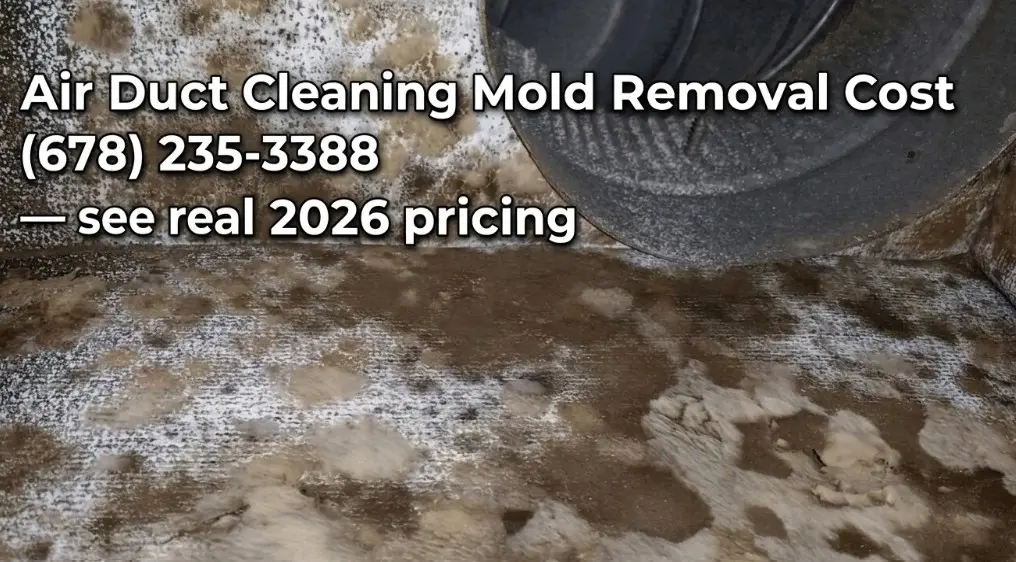
Atlanta’s humidity is exactly the kind of environment mold needs to establish itself inside ductwork, and once it’s growing behind your vents, the question stops being “should I clean my ducts” and becomes “how much is this going to cost me to fix properly.” Air duct cleaning mold removal cost in Atlanta typically runs higher than standard duct cleaning because mold requires containment, specialized antimicrobial treatment, and sometimes partial duct replacement. This guide breaks down real 2026 pricing so you know what to expect before a technician ever steps inside your home.
Pure Air Atlanta is NADCA-certified and handles HVAC mold remediation as a distinct service from routine cleaning. Call 678-235-3388 for a straight answer on your specific situation, or read on for the full price picture.
2026 Mold Removal Cost Breakdown by Severity
Mold removal pricing isn’t one flat number — it scales with how far the contamination has spread and what it takes to fully eliminate it. Here’s what Atlanta homeowners are typically paying by severity level:
| Severity Level | What It Looks Like | Typical Cost Range |
|---|---|---|
| Light surface mold | Isolated spotting near vents or the AC coil, no musty odor throughout the home | $450 – $750 |
| Moderate contamination | Visible growth in multiple sections of ductwork, persistent musty smell | $750 – $1,500 |
| Severe/whole-system | Mold throughout the duct network, often tied to a moisture source or flooding | $1,500 – $3,500+ |
| Duct replacement needed | Porous duct material (like flex or fiberglass-lined) too saturated to treat | $3,000 – $7,000+ |
These figures reflect labor, antimicrobial treatment, and equipment for a typical single-family home. Commercial properties and multi-unit buildings are priced separately based on square footage and duct complexity — see our commercial duct cleaning page for that scope.
What Actually Drives the Price Up
Two homes with “mold in the ducts” can end up with very different quotes. Here’s what moves the number:
- Duct material — sheet metal can usually be cleaned and treated; flex duct or fiberglass-lined duct that’s absorbed moisture often has to be cut out and replaced
- Source of moisture — if the mold is tied to an active leak, condensation issue, or poor drainage, that root cause has to be fixed or the mold returns within months
- System accessibility — crawlspace and attic systems take longer to access than basement or closet installations
- Home size and duct length — more linear feet of ductwork means more treatment area
- Testing requirements — some situations call for air quality testing before and after treatment to confirm the mold is gone, which adds to the total
Mold Removal vs. Standard Duct Cleaning
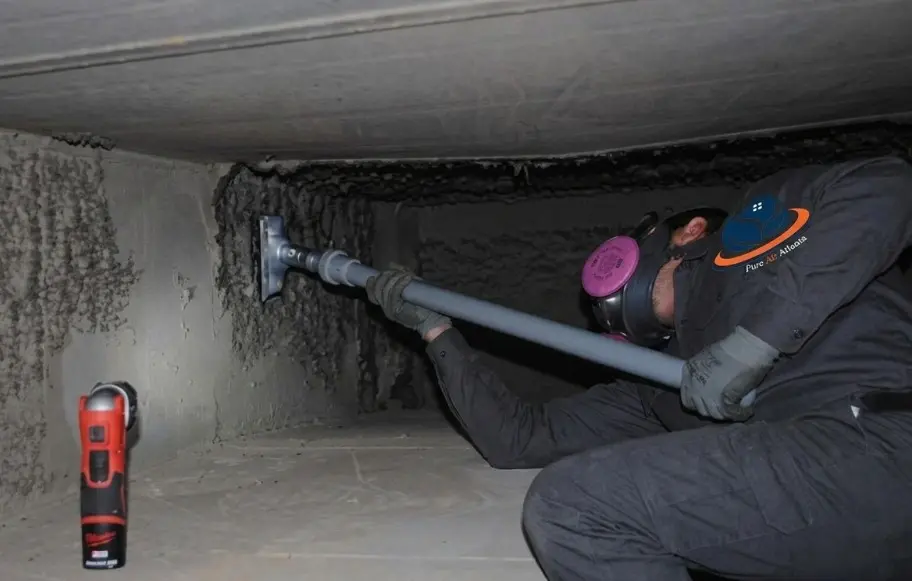
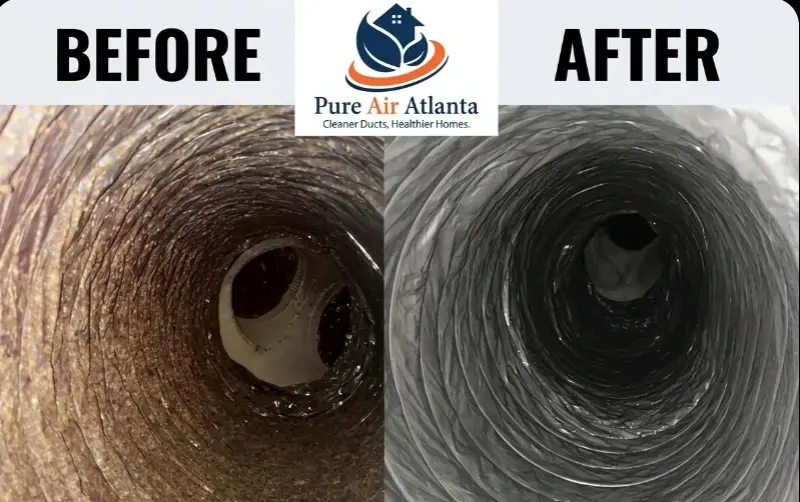
Standard duct cleaning removes dust, debris, and pet hair using negative-pressure vacuum equipment and rotary brushes. Mold removal is a different scope of work entirely, and pricing it the same way is where a lot of homeowners get burned.
| Standard Duct Cleaning | Mold Removal Service |
|---|---|
| Vacuum and brush debris removal | EPA-registered antimicrobial application |
| No containment required | Containment barriers to prevent spore spread during work |
| Standard equipment | HEPA-filtered negative air machines |
| Single visit, no follow-up needed | Often includes a post-treatment inspection to confirm the mold hasn’t returned |
If a company quotes mold removal at the same price as their standard duct cleaning package, that’s usually a sign the antimicrobial and containment steps aren’t actually part of the service.
Why DIY Mold Removal Almost Always Costs More Later
Bleach and store-bought mold sprays are common first attempts, but they only kill surface mold you can see and reach — they don’t address spores deeper in the ductwork or the moisture source keeping the colony alive. The typical pattern:
A professional mold removal service treats the entire duct run, not just what’s visible at the register, which is why it costs more upfront but typically costs less than a delayed, escalated fix.
Our Mold Removal Process
- Inspection and assessment to determine severity and identify the moisture source
- Containment setup to prevent spores from spreading to unaffected areas during treatment
- HEPA-filtered vacuum extraction of visible mold and debris
- EPA-registered antimicrobial treatment applied throughout the affected duct sections
- Post-treatment inspection to confirm the system is clear before we close the job out
- Written, itemized quote before any work begins, so there are no surprise charges at completion
This process runs alongside our broader air duct cleaning service and pairs well with duct sealing when the root cause is air leakage introducing outside moisture into the system.
How to Avoid Overpaying
Mold remediation pricing has a wide range for a reason — severity genuinely varies — but a few habits protect you from paying more than the job requires:
- Get an in-person inspection before accepting a quote. Phone-only estimates for mold work are frequently inaccurate in either direction.
- Ask what’s included. Antimicrobial treatment, containment, and post-treatment verification should be itemized, not bundled into a vague “mold package.”
- Confirm the moisture source is being addressed. Treating mold without fixing the humidity or leak causing it means you’ll likely pay for the same service again within a year.
- Compare NADCA-certified providers. Certification doesn’t guarantee the lowest price, but it does mean the technician follows an established industry standard for the work.
Metro Atlanta Service Areas
We provide mold removal and air duct cleaning across Alpharetta, Roswell, Marietta, Sandy Springs, Cumming, and the surrounding Georgia suburbs, with the same certified process and transparent pricing at every stop.
Frequently Asked Questions
How much does air duct cleaning mold removal cost in Atlanta?
Most Atlanta homeowners pay between $450 and $1,500 depending on severity, with whole-system contamination or duct replacement running higher. An in-person inspection is the only way to get an exact number.
Is mold removal covered by homeowners insurance?
It depends on the cause. Mold resulting from a sudden covered event, like a burst pipe, is often covered. Mold from ongoing humidity or neglected maintenance typically isn’t. Check with your provider directly.
Can I just clean the mold myself to save money?
You can treat what’s visible at the vent, but mold deeper in the ductwork usually goes untreated and returns, often making the eventual professional job more expensive than if it had been handled early.
How long does mold removal from air ducts take?
Light to moderate cases are typically completed in a single visit of 2-4 hours. Severe contamination or jobs requiring partial duct replacement can take longer and may be scheduled across multiple visits.
Does mold in air ducts affect health?
Mold exposure can trigger allergy and respiratory symptoms in some people, particularly those with asthma or existing sensitivities. If you’re experiencing ongoing symptoms alongside a musty smell, an inspection is worth prioritizing sooner rather than later.
Get an Accurate Mold Removal Quote
NADCA-certified, transparent pricing, no charges added after the fact.
Call 678-235-3388For general indoor air quality guidance, the EPA’s Indoor Air Quality resources and NADCA are useful independent references.
HVAC Service Area — ZIP Code Directory
92 ZIP codes served · Tap any ZIP to call +1 (678) 235-3388 · pureairatlanta.com